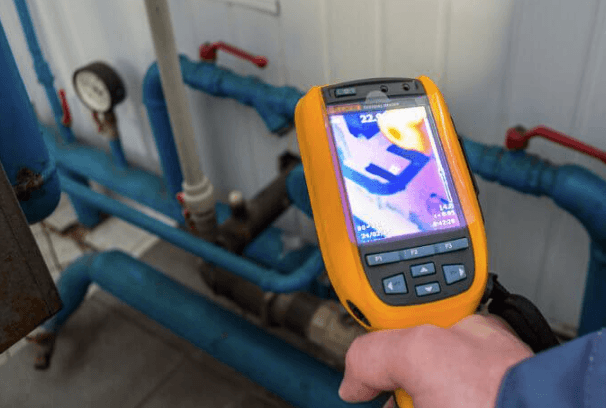
Hidden leaks often begin with a quiet meter check during normal no-use periods to establish baseline flow. Compare internal patterns with any external movement to identify concealed waste or unauthorized use. Inspect likely voids—behind walls, slabs, and fixtures—for dampness, stains, or sounds. Use simple tools and noninvasive devices, then corroborate with smart monitoring data. Prioritization hinges on risk, cost, and potential damage, leaving a clear path forward that warrants careful, continued investigation.
Identify Hidden Leaks: Start With the Water Meter Test
To identify hidden leaks, begin with a water meter test to establish a baseline.
Observers note steady meter movement during a fixed period of no usage, indicating hidden plumbing issues.
The method isolates water waste sources, separating external consumption from internal drain patterns.
Data supports targeted diagnostic steps, reducing uncertainty while promoting efficient, responsible resource management and operational clarity.
Inspect Likely Hidden Spots: Walls, Slabs, and Behind Fixtures
Hidden leaks often reside in concealed building zones, where access is limited and moisture signals may be subtle. Inspect hidden spots such as walls, slabs, and behind fixtures with a systematic approach: examine visible stains, test for dampness with noninvasive meters, and listen for sounds from behind surfaces. Document hidden spaces and moisture signs to prioritize verification and repair decisions.
See also: The Digital Divide: Who Gets Left Behind?
Use Simple Tools and Smart Monitoring to Confirm
Smart, methodical verification relies on accessible instruments and real-time data to distinguish actual leaks from false positives. Simple tools, like flow meters and dye tests, provide immediate clues, while smart monitoring apps aggregate sensor data to flag anomalies.
In this frame, hidden leaks become verifiable signals, allowing precise confirmation without speculation, supporting disciplined decision-making and targeted remediation.
Estimate Costs and Prioritize Repairs to Prevent Damage
Estimating costs and prioritizing repairs converts uncertain findings into actionable steps. The process combines cost estimation with risk prioritization to rank interventions by expected impact and urgency.
A systematic budgetary approach clarifies tradeoffs between remediation timing and resource allocation.
Conclusion
In measured steps, the inquiry closes like a precise diagnostic, a hush of data before the drip becomes a verdict. The meter’s quiet pulse, the wall’s damp breath, and a scanner’s cold read form a chorus of evidence, each note weighing cost against risk. Hidden leaks retreat under scrutiny, revealed only by method and metered patience. What remains is a plan mapped in numbers and notes, turning unseen damage into actionable, repairable certainty.